
Sustainable Cooking Practices at Home: Tips from Chef M's


Embracing Sustainable Cooking
In today's world, adopting sustainable cooking practices is more important than ever. Chef M, a renowned expert in eco-friendly cuisine, shares simple yet effective tips to make your kitchen more sustainable. By making small changes, you can reduce waste, conserve energy, and contribute to a healthier planet.
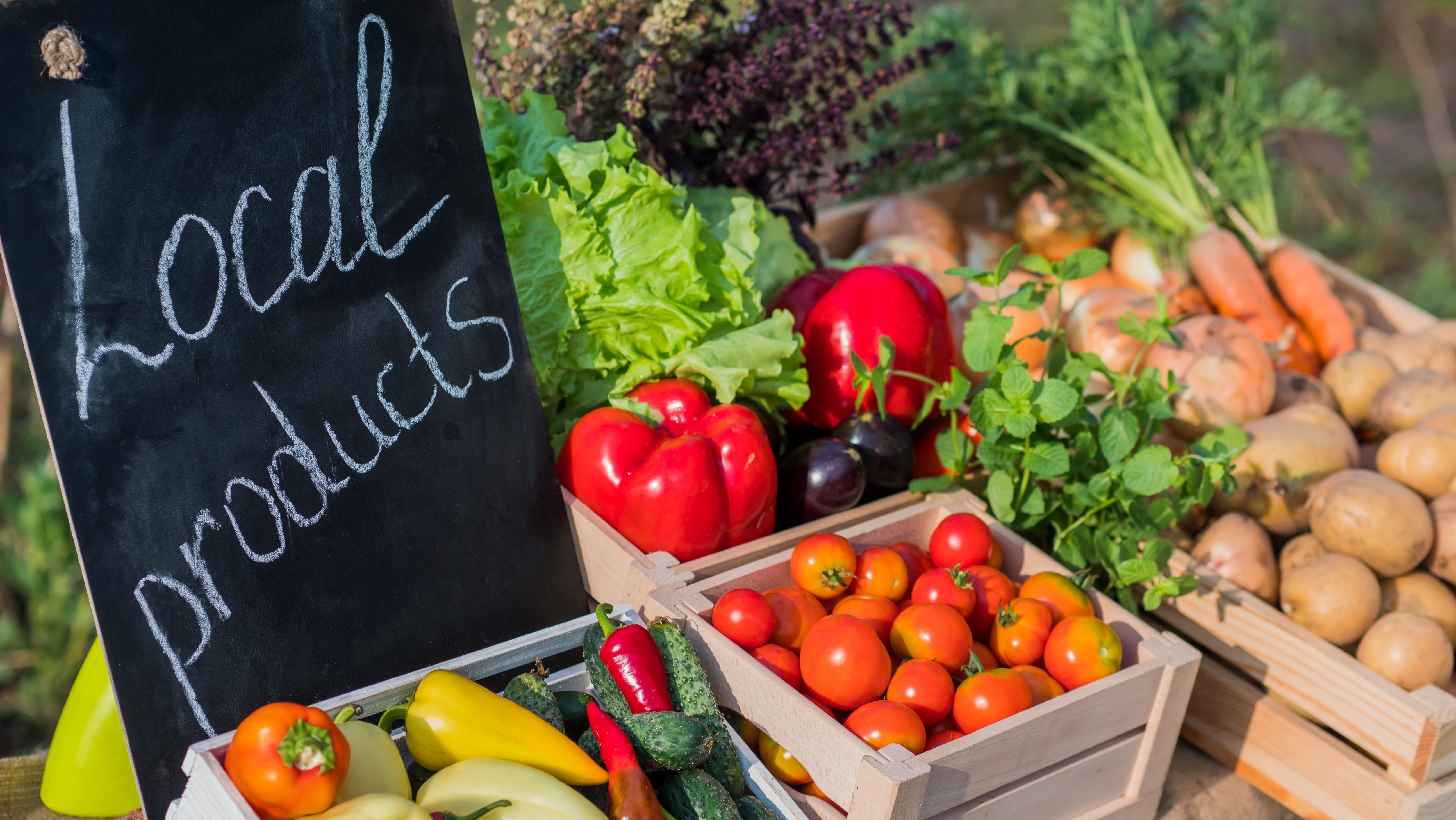
One of the easiest ways to start is by focusing on locally sourced ingredients. Shopping at local farmers' markets not only supports community farmers but also reduces the carbon footprint associated with transporting goods over long distances.
Minimizing Food Waste
Food waste is a significant issue, but you can combat it by implementing a few strategies. Chef M recommends planning meals ahead of time, which helps in buying only what you need. Additionally, using leftovers creatively can turn potential waste into delicious meals. Think soups, stews, or even casseroles.
Another great tip is to learn the art of food preservation. Whether it's freezing, pickling, or fermenting, preserving food can extend its life and minimize waste. Not only does this reduce your environmental impact, but it also saves money in the long run.

Energy-Efficient Cooking
Cooking efficiently is another crucial aspect of sustainability. Simple actions like using lids on pots to retain heat or opting for pressure cookers can significantly reduce energy consumption. Chef M suggests investing in energy-efficient appliances, which might have a higher upfront cost but save money over time.
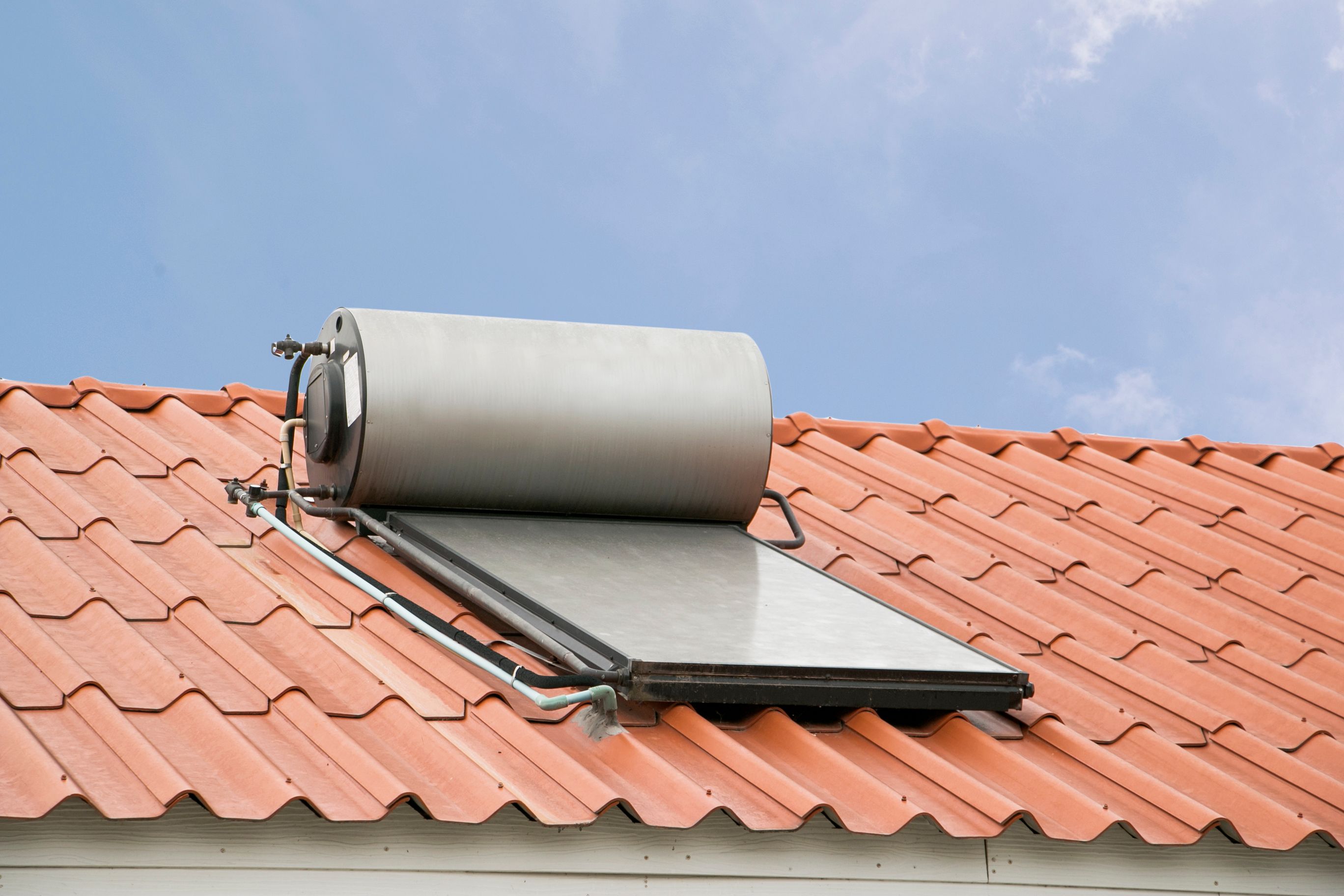
Moreover, consider using alternative energy sources for cooking. Solar cookers, for instance, are an innovative way to harness natural energy and reduce reliance on traditional power sources.
Sustainable Utensils and Cookware
Our choice of kitchen tools can also impact the environment. Opt for utensils made from sustainable materials like bamboo or recycled metal. These are not only durable but also environmentally friendly, reducing reliance on plastic options.
When it comes to cookware, non-toxic, non-stick options made from ceramic or cast iron are excellent choices. They last longer and are healthier for both you and the planet.
Water Conservation in the Kitchen
Water conservation is often overlooked in cooking, but small changes can make a big difference. Chef M advises using a basin to wash vegetables instead of running water continuously. Additionally, steaming rather than boiling can conserve water and retain more nutrients in your food.
By being mindful of water usage, you can contribute to sustainable living while still preparing delicious meals.

Conclusion: Small Changes, Big Impact
Adopting sustainable cooking practices at home doesn't mean sacrificing enjoyment or flavor. By following Chef M's tips, you can make a positive impact on the environment while still delighting in the art of cooking. Remember, every small action counts, and together, we can create a more sustainable future.